
Guest Blog: When Should Climbers Consider Vestibular Therapy?
Guest Post written by Jimmy Pang (PT/DPT, AIB-VRC, ITPT, CCRT)
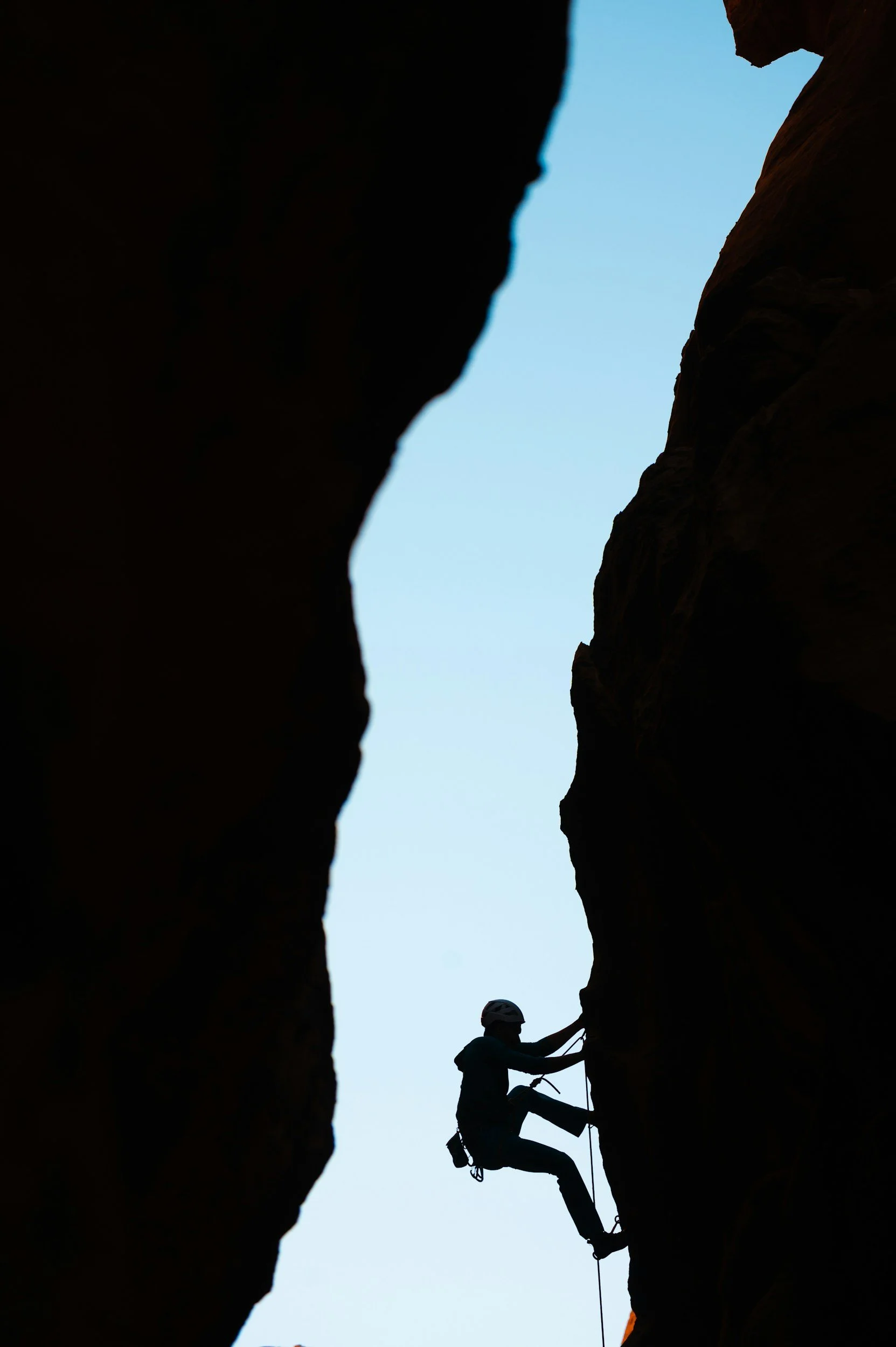
Swaying ropes, tall heights, and constant visual motion are part of what makes climbing so engaging. Most climbers adapt to these demands without issue. Occasionally though, dizziness or vertigo can creep in and start to affect confidence or performance on the wall. This is especially true after a fall or head impact.
What many people do not realize is that there is a targeted form of physical therapy designed specifically to address dizziness and vertigo called vestibular rehabilitation.
What Is Vestibular Rehabilitation?
Vestibular rehabilitation is a specialized form of physical therapy focused on balance and a person’s sense of equilibrium. It works by addressing how the brain integrates information from three main systems: the inner ears, the eyes, and the body.
When those systems are not communicating efficiently, dizziness and vertigo can occur. Vestibular rehabilitation uses specific exercises to restore that coordination and help the brain adapt.
Although many people have never heard of it, vestibular rehabilitation is well established in the research. It’s commonly used after concussion, inner ear disorders, and certain neck-related injuries. Some high level athletes even incorporate vestibular training to enhance performance. Think faster reaction times, better motion tolerance, or better hand-eye coordination. For most climbers however, vestibular therapy is usually most relevant in the context of an injury.
Concussion and Head Injury
Concussions and head injuries are more common in climbing than many people realize, even when helmets are worn. Helmets are designed to prevent skull fractures and serious blunt trauma, but they do not reliably prevent concussions. A concussion occurs due to rapid acceleration and deceleration of the head and neck, which helmets have limited effect on.
Common concussion symptoms include:
Headache or head pressure
Dizziness or vertigo
Sensitivity to movement or visual motion
Difficulty focusing or tracking
Standard advice to “cocoon” in a dark room till symptoms resolve is largely outdated beyond the first 24 to 48 hours. Research now shows that active rehabilitation leads to better outcomes and reduces the risk of developing post concussion syndrome.
Vestibular rehabilitation and concussion recovery go hand in hand. Vision issues, inner ear dysfunction, and motion sensitivity can all be effectively treated with vestibular therapy. For climbers, this can be critical for restoring confidence with height, head movement, and returning to the wall.
Cervicogenic Dizziness
Neck pain is common in climbers given the demands placed on the shoulders, upper back, and cervical spine. Many muscles involved in climbing attach to the shoulder blade and neck, making the region vulnerable to strain.
Beyond movement, the neck also provides the brain with information about head position through proprioception, also known as joint position sense. If this information becomes unreliable, a sense of dizziness or disorientation can occur.
This presentation is known as cervicogenic dizziness. It is most commonly seen after whiplash type injuries but can also occur with neck strain or overuse. The good news, cervicogenic dizziness is well within the scope of vestibular rehabilitation.
When dizziness is purely cervicogenic and not influenced by inner ear or brain factors, treatment often looks similar to standard orthopedic rehabilitation. When multiple systems are involved, vestibular therapy helps integrate neck, visual, and balance retraining more effectively.
Persistent Dizziness or Visual Motion Sensitivity
Persistent dizziness or vertigo is relatively uncommon in climbers. After all, people with chronic dizziness tend to avoid sports like climbing. But given the high physical demands of the sport, vestibular issues can happen especially in the context of a head injury.
Ongoing symptoms are usually related to how the brain processes sensory information rather than a simple mechanical problem. These cases can be more complex but the brain remains adaptable.
Vestibular rehabilitation for persistent symptoms often includes:
Gradual exposure to head and body movement
Visual motion tolerance training
Targeted balance interventions
With appropriate guidance, even long standing symptoms can improve.
The Vestibular System Is Trainable
One of the biggest barriers to care is awareness. Many people with dizziness or post concussion symptoms see multiple providers before finding someone trained in vestibular rehabilitation.
Like the musculoskeletal system, the vestibular system can be trained. The brain is remarkably adaptive with the right approach.
Although vestibular therapy is often started later than ideal, meaningful improvements are still very possible with a targeted treatment plan.
About the Author
Jimmy Pang (PT/DPT, AIB-VRC, ITPT, CCRT) is a physical therapist who specializes in treating dizziness, vertigo, and headaches based in San Diego. He works both with injured athletes as well as those suffering from more serious vestibular conditions.