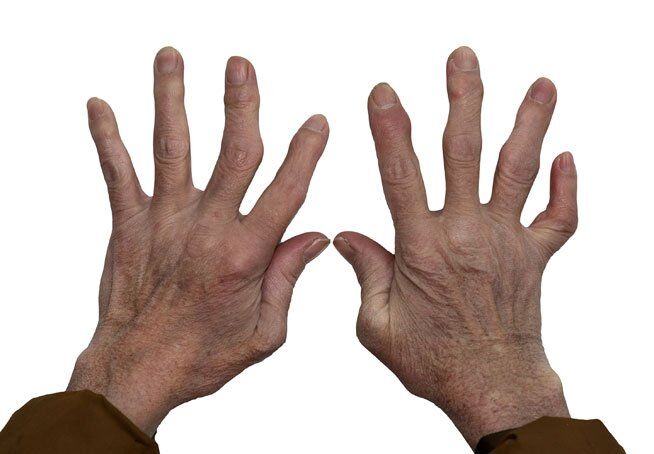
I hear from so many people who say some variation of: “There’s nothing to do for my hands if they’re arthritic, right? Because if you have it, you have it.”
The latter is true. If you develop arthritis in the joints of your hands or wrists, hand rehabilitation will not cure it. However, there are so many things you can do during painful flare-ups to manage your arthritis and continue to live life to its fullest. In hand therapy, not one strategy or exercise fits everyone’s lifestyle. In sessions, we’ll begin to learn what activities you do, which ones to prioritize, and which ones we can continue with less energy, stress, and pain.
Joint Protection Techniques
Activity modification is necessary to prioritize the stresses put on your joints. When you have osteoarthritis, your cartilage has thinned out. If you can think of ways to decrease the load on the smaller joints throughout the day, it will preserve their use for the things that matter most.
Examples include:
- Holding a bag of groceries on your forearm or in a larger bag over your shoulder — applying force to larger joints rather than stressing finger or wrist joints
- When picking up a heavy book or laptop, holding it with your hand flat underneath rather than gripping the sides with your fingers
- Using a pop socket on the back of your phone to distribute force and reduce repetitive stress on the fingers
Adaptive Tools for Daily Life
Using adaptive tools for daily tasks offloads force on smaller joints and allows your joints a break from inflammatory activities. Some go-to recommendations include:
- Multi-sized jar opener — uses a standard grip to open multiple jars or bottles without thumb-heavy pinching
- Built-up pen or pencil grips — distributes force along more joints rather than gripping a smaller object
- Key wings/key turners — lengthens the lever required to turn a key, decreasing force and joint stress
Gentle Mobility and Strength Exercises
The first step for arthritic flare-ups is to calm the inflammatory response. Heat modalities are a great way to lubricate the joints, calm the nerves, and soften surrounding tissues. Try a hot water soak for 10–15 minutes before moving in all planes of the affected joint.
As you safely progress with pain-free range of motion, we can advance to gentle and progressive strengthening to protect the joints long-term.
Splinting to Reduce Pain and Deformity Progression
As osteoarthritis progresses, so can joint malalignment. Splinting cannot put joints back into place, but it can rest the joint in its most neutral position — calming inflammatory flare-ups, reducing pain, and potentially preventing further deformities.
Splint wearing schedules vary, but nighttime is a great time to wear braces, as well as during your most stress-producing activities such as gardening or chopping. Check out our custom splinting service to see what custom bracing looks like, or fill out a form if you’d like a free mobility screening.